

12th Fasu Games: What It Takes To Develop Africa's Next Generation Of Athletes
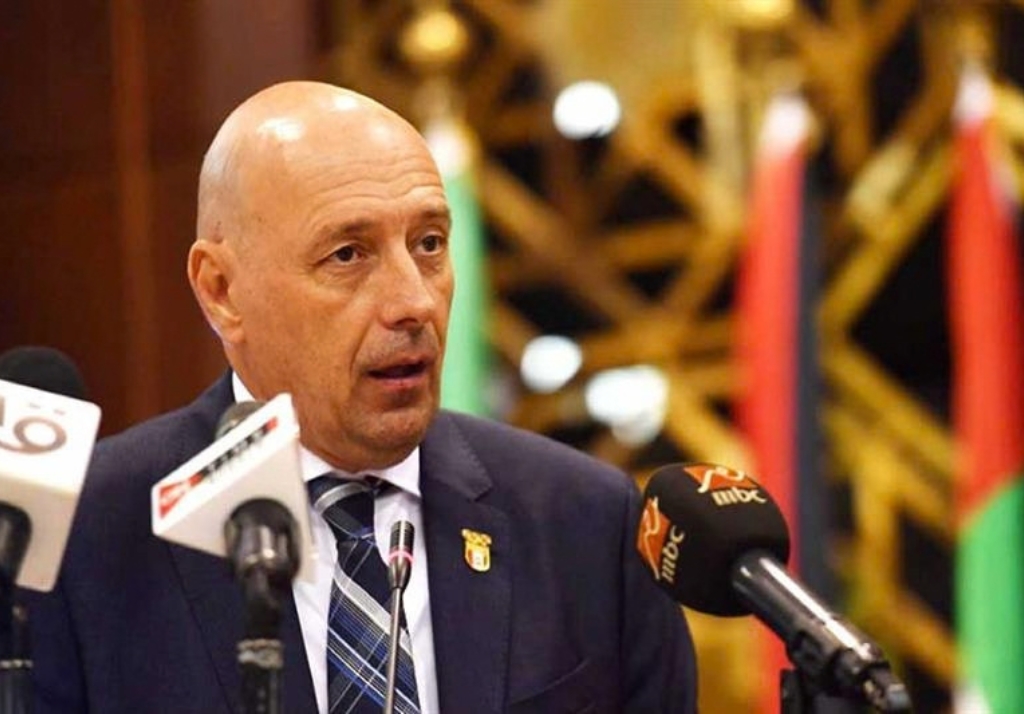
For Sharif El Erian, the development of Africa's next generation of athletes cannot be separated from what happens to them when they enter university.
The Senior Director of Athletics at the American University in Cairo (AUC), former Egyptian Olympian in modern pentathlon and senior sports administrator believes university years are a critical stage in an athlete's development. Without adequate funding, facilities, academic flexibility and professional support, promising athletes can struggle to continue competing at the level their talent demands.
"One of the main problems of Africa is that promising athletes, when they enter university, they do not get the opportunity to continue in sport the way they should," El Erian said.
Making University A Pathway To Elite Sport
El Erian's perspective is shaped by his own experience in elite sport. He competed for Egypt in modern pentathlon at the 1992 Barcelona Olympic Games and was also a member of Egypt's national teams in fencing and shooting. He later moved into sports administration and university sport leadership.
He believes universities should recognise the demands placed on high performance student athletes, particularly those competing at continental and international level. Training camps and competitions can require students to miss lectures, making academic flexibility an important part of keeping education and sport on the same path.
At AUC, El Erian said athletes receive flexibility around their academic commitments alongside the support needed to maintain their studies while competing.
Supporting The Complete Athlete
Academic flexibility, however, is only one part of the system El Erian believes African universities need to develop.
"This is the age, from 18 to 25. This is the peak of performance in most sports," he said.
For athletes in this stage of development, he argues that universities need to provide quality coaching, appropriate training facilities, recovery services, medical care, mental health support and other sports services.
At AUC, this includes recovery facilities such as massage, cryotherapy and water therapy, alongside medical and mental health support.
"We treat our athletes in American University as if they are the national team players of the country," El Erian said.
He believes a similar approach should be developed across African universities, particularly for athletes competing at elite level.
Funding Remains A Major Challenge
Despite the progress of university sport across the continent, El Erian identifies finance as one of its biggest challenges.
"The main problem in university sports in Africa is financial ability," he said.
He advocates for a system that can provide elite student athletes with comprehensive scholarships covering areas such as tuition, accommodation, food and transportation, while also giving them opportunities to compete nationally, across Africa and internationally.
He also believes universities need to distinguish between recreational participation and elite sport.
"Sports for all in the university is also important, but the elite athletes have to be treated totally different," he said.
For El Erian, this distinction would allow universities to support mass participation while also creating specialised pathways for athletes pursuing high performance careers.
AUC As An Example
AUC provides an example of the model El Erian describes. The university won the overall All Africa University Games title in Nairobi in 2022 and retained the title in Lagos in 2024, where its athletes won 81 medals, including 46 gold.
At the 2026 Games, AUC is competing as the two time defending champion, with about 150 student athletes representing the university. It is also hosting competitions in 10 sports at its New Cairo campus.
However, El Erian acknowledges that the resources available at AUC are not accessible to most universities on the continent.
"99.9% of the universities in Africa cannot accommodate for all of this together," he said.
The challenge, therefore, is not simply identifying talented athletes but creating the structures that allow them to develop consistently.
Africa Has The Talent
El Erian believes Africa already possesses the athletic talent required to compete at the highest level.
"Africa has potential," he said. "I think, in my opinion, the best athletes in the world physically. They just need to have a chance."
That opportunity, he argues, requires investment in areas including nutrition, recovery, injury prevention, mental preparation and sports science, alongside access to quality coaching and competition.
He also points to developments in African university sport in recent years, with more competitions and international opportunities becoming available through organisations such as FASU and FISU.
"If you look at the last few years, you'll find that African sports has leaped into the future," El Erian said.
Building The Bridge
For El Erian, the future of African university sport should go beyond creating competitions. Universities can serve as a bridge between emerging talent and elite sport if athletes are given the academic, financial and professional support required to continue developing.
The university years can be an important period for athletes to strengthen their performance while completing their education. Building that pathway, El Erian argues, will require African universities to invest not only in competition but in the complete development of the student athlete.
Source: Federation of Africa University Sports (FASU) Original report by: Victor Oluwaseun Olabisi